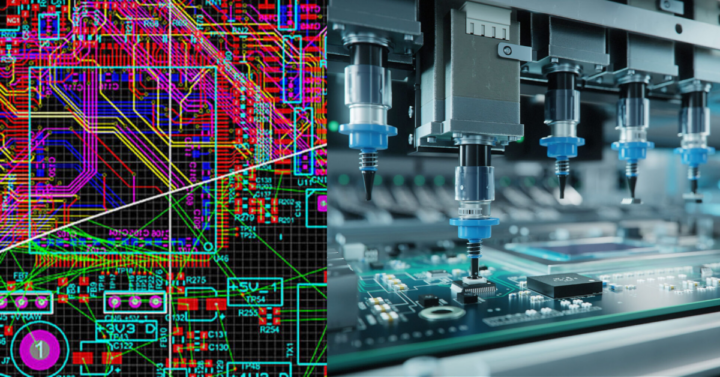
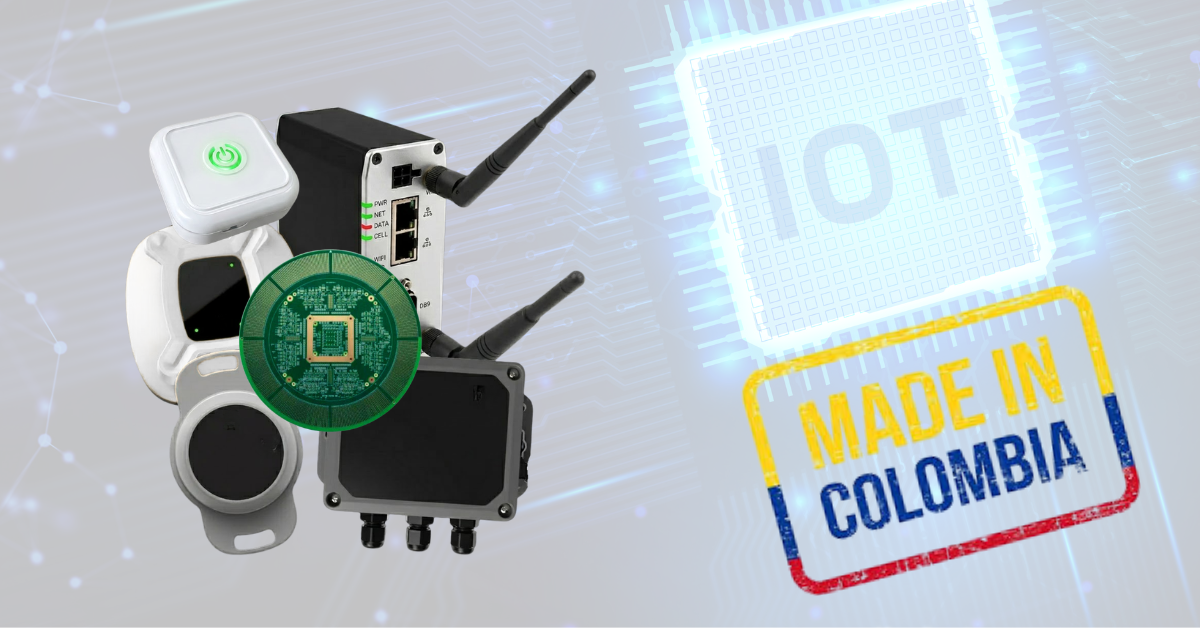
For years, the blueprint for IoT startups and established hardware firms in the United States was simple: design in the US, manufacture in Asia. However, the tides are shifting. Rising tariffs, intellectual property concerns, and the logistical nightmare of transpacific shipping have forced a rethink.
Enter Colombia: a rising powerhouse in IoT manufacturing that offers more than just proximity—it offers a strategic partnership for the next generation of smart devices.
The End of the “Midnight Email” Era
One of the most significant hurdles in Asian manufacturing is the 12-to-15-hour time difference. When an engineering issue arises on the assembly line, US teams often lose a full business day waiting for a response.
Manufacturing in Colombia, specifically in hubs like Medellín, allows for real-time collaboration. Operating in the same time zone (EST/COT) means your engineers and our production team can hop on a video call at 10:00 a.m. and solve a DFM (Design for Manufacturing) challenge before lunch.
Trade Benefits: Bye-Bye Section 301 Tariffs
The trade war has made Chinese imports increasingly expensive. Most electronic components and assemblies from China are subject to heavy Section 301 tariffs.
Colombia, on the other hand, enjoys a robust Free Trade Agreement with the United States. This means that for most IoT devices, you can import your finished PCBAs and Box-Builds with 0% duties. When you factor in the savings on tariffs and the significantly lower shipping costs, the total cost of ownership (TCO) in Colombia often beats the “low” unit price of Asian suppliers.
Specialized IoT Talent: Beyond the SMT Line
IoT devices are complex. They require more than just soldering; they require a deep understanding of connectivity, power management, and firmware stability.
Colombia produces over 13,000 engineering graduates annually, with a high degree of specialization in embedded systems and electronics. At Bixtia, we don’t just “assemble boards”; we understand the TRL (Technology Readiness Level) of your product. Whether you are using LoRaWAN for rural sensors or ESP32-C3 for compact consumer tech, Colombian engineers speak your language.
The “One-Stop-Shop” Advantage
In the medical and industrial IoT sectors, a device is rarely just a PCB. It often requires:
-
Precision PCBA: The “brain” of the device.
-
Custom Wiring Harnesses: To connect sensors and power.
-
Membrane Panels (HMI): For user interaction.
Fragmenting these components across different suppliers increases the risk of failure. The trend in IoT manufacturing in Colombia is vertical integration. Having one factory handle the electronics, the cabling, and the interface—as we do at Bixtia—ensures that the final assembly fits and functions perfectly every time.
Faster Returns and Faster Innovation
The “Hidden Force” of Colombian manufacturing is speed to market. Shipping a prototype from Medellín to Miami takes 3 to 5 days, not 3 to 5 weeks. This agility allows IoT companies to iterate faster, respond to market demands instantly, and handle warranty claims (RMAs) without the logistical burden of international shipping across the ocean.
Conclusion: It’s Time to Look South
If your IoT project requires high-mix, medium-volume production with a need for high quality and low latency, Colombia is no longer just an option—it is the strategic choice.
At Bixtia, we are ready to be your bridge to production excellence. Stop managing a supply chain across the world and start building one in your own backyard.